Sylvia Tiryaki: Vzpoura Turků proti absolutismu | Hospodářské noviny

Sylvia Tiryaki: Vzpoura Turků proti absolutismu | Hospodářské noviny

Turecký premiér Recep Tayip Erdogan je nepochybně charismatická osobnost. Bohužel, většina demokraticky zvolených charismatických lídrů má tendenci se domnívat, že podpora mas, které vděčí za svou pozici, je ničím nepodmíněná a věčná.
 
Tito političtí vůdci též většinou – pro případ, že by ona podpora nebyla až tak úplně nepodmíněná – po počáteční konsolidaci své pozice zavedou určitou dávku autokracie do systému vládnutí. Někteří z nich jako turecký premiér věří, že většina hlasů, kterou získali v demokratických volbách, jim dává plné právo neomezeně rozhodovat a určovat, co je dobré pro všechny občany. Jinak řečeno, na další rozhodování po volbách nepotřebují dostatečný společenský konsenzus. Diskuse se jim zdá zbytečná.


Originál článku je prístupný v plnom znení na stránke Hospodářských novin.

Turecký premiér ztratil charisma, soudí politoložka | Lidovky

Turecký premiér ztratil charisma, soudí politoložka | Lidovky

Ovlivnily nepokoje každodenní život obyvatel Istanbulu?
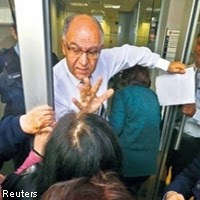
Určitě. Zátarasy, které postavili demonstrující i policisté, stále blokují přístup do některých částí Istanbulu. Doprava je zpomalená. Situace se sice uklidňuje, demonstrace ovšem pokračují…
 
Brání policie demonstrantům, aby se dostali na místa protestů?
Nyní už ne. Nicméně, tato vlna nepokojů měla několik fází: začala jako pokojný protest, poté policisté dosti brutálně zasáhli. Pak se zase stáhli…
 
Nechci, aby se zdálo, že protesty zlehčuji, ale až tak špatná situace v Istanbulu není. V televizi demonstrace vypadají šíleně, o kus dále ovšem žije ulice běžným životem. Na druhou stranu, nejde o legraci, umírali lidé.


Originál interview je prístupný v plnom znení na stránke Lidoviek.

“Turkish and Norwegian Scholars on the Arab Spring” | Conference

“Turkish and Norwegian Scholars on the Arab Spring” | Conference

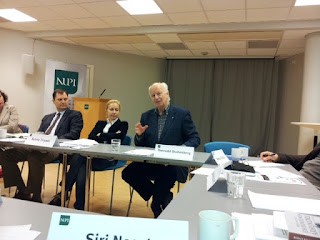
On 23 and 24 May 2013 GPoT Center deputy director Sylvia Tiryaki participated at a Norwegian Institute of
International Affairs’ (NUPI) conference entitled “Turkish and Norwegian
Scholars on the Arab Spring”. During her session, Sylvia Tiryaki discussed the lessons that can be
drawn from mediations in Cyprus, the Balkans and the Oslo Process with former
Minister of Foreign Affairs of Norway, Thorvald Stoltenberg.

The rest of the conference addressed topics such as Turkey’s
ability to function as an example for states in the region and other aspects of
its foreign policy. An important part of the conference’s agenda was to
contribute to an enhanced cooperation between Norway and Turkey, and to
increase contact across the borders.

Energy in the Eastern Mediterranean: Can it Facilitate Dispute Resolution?

Energy in the Eastern Mediterranean: Can it Facilitate Dispute Resolution?

On 13 May 2013 Sylvia Tiryaki moderated a panel entitled “Energy and Improvements in Turkey-Israel Relations” which was part of the larger conference “Energy in the Eastern Mediterranean: Can it Facilitate Dispute Resolution?”.
 
The conference, organized by the Centre for Economics and Foreign Policy Studies (EDAM) and Friedrich Ebert Stiftung (FES), covered topics such as energy, Israel, Cyprus and the way forward for the region.

Turkey’s UNSC Bid for Next Term Looks Promising | Gözde Nur Donat

Turkey’s UNSC Bid for Next Term Looks Promising | Gözde Nur Donat

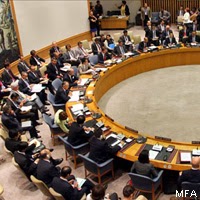
In October 2008, for the first time since 1961 and with a historic vote from 151 members, Turkey was elected as a non-permanent member of the Security Council. Turkey held this seat in 2009 and 2010.
 
Dr. Sylvia Tiryaki, an expert in international law and the deputy director of the Global Political Trends Center, said it would be a bit unusual for Turkey to be elected for a second time in such short time period.
 
“What is playing as a facilitator in Turkey’s bid is the situation in the region and the important role Turkey is playing vis-à-vis Syria and vis-à-vis Arab Spring developments,” Tiryaki, however, stated. Turkey’s close relations with Third World countries, especially its promising friendship with the African continent, could also work in Turkey’s favor.
 
“To announce its candidacy is also a part of the package,” Tiryaki said. “Whatever the result will be, Turkey showed that it is taking its role seriously, being ready to take responsibility related to international issues,” she noted”.
To read the whole article click here.

The Formation of the World Disability Union | 6-7 April 2013

The Formation of the World Disability Union | 6-7 April 2013

(Sylvia Tiryaki and Mensur Akgün
Participating in the Formation of the World Disability Union)
On 6-7 April, 2013 the World Disability Union (WDU) was formed by its first General Assembly session in Istanbul, Turkey. The aim of the Assembly was to elect members to the Union’s newly formed organs and expert committees.
 
More than 200 delegates from 70 different countries attended with opening speeches made by the Foreign Affairs minister of Turkey, Prof. Dr. Ahmet Davutoğlu, the Family and Social Affairs Minister of Turkey, Fatma Sahin, the WDF&WDU Vice President, Necdet Özturk, and the WDF&WDU President Metin Senturk, among others.
 
Sylvia Tiryaki participated in the 2-day event as the Vice President of the Election Council. The Assembly successfully formed the necessary organs and committees and filled them with members to carry out their mandates.
 
More information about the 1st General Assembly of the World Disability Union and the World Disability Foundation can be accessed here.

For the program of the Assembly click here.

Military Expenditure Taking Toll on Fragile Greek Cypriot Economy | Aydin Albayrak

Military Expenditure Taking Toll on Fragile Greek Cypriot Economy | Aydin Albayrak

This article, featured in Today’s Zaman on 31 March 2013, discusses the impact that high military spending has had on the Greek Cypriot economy.
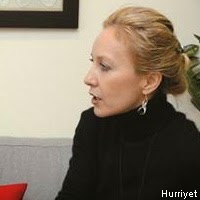
 
“Among EU member states, Greek Cyprus ranks third in terms of its ratio of military expenditure to GDP, coming after Greece and the UK. Drawing attention to this fact, Sylvia Tiryaki, deputy director of the Global Political Trends Center at Kültür University in İstanbul, has told Sunday’s Zaman that military expenditure may be at least partially responsible for the economic situation in Greek Cyprus”.

To read the whole article click here.

Dr. Tiryaki’s Interview in Hürriyet Daily News about the Financial Crisis in Cyprus

Dr. Tiryaki’s Interview in Hürriyet Daily News about the Financial Crisis in Cyprus

Greek Cyprus, which used to get whatever support it wanted from Europe, now feels cheated by the European Union, according to a prominent expert. ‘There is now such strong anti-EU sentiment among Greek Cypriots that it is bringing them closer to Turkey. They think there could be the same EU skepticism in Turkey,’ says Dr. Sylvia Tiryaki.


The interview by Barçın Yinanç of Hürriyet Daily News (HDN) with GPoT Center’s Deputy Director Dr. Tiryaki about the financial and banking crisis in Cyprus is available on HDN’s website here.

Dr. Tiryaki na IHNED.cz: Kypr nenávidí své zachránce, chrání viníky

Dr. Tiryaki na IHNED.cz: Kypr nenávidí své zachránce, chrání viníky

Čerstvému prezidentovi Kyperské republiky Nicosi Anastasiadesovi sotva může někdo závidět. Ve funkci není ještě ani měsíc a už musí čelit něčemu, co někteří řečtí Kypřané přirovnávají ke změně podmínek po turecké vojenské intervenci v roce 1974 a někteří ruští experti dokonce k leninskému převratu z roku 1917.

Originál článku je prístupný v plnom znení na IHNED.cz.

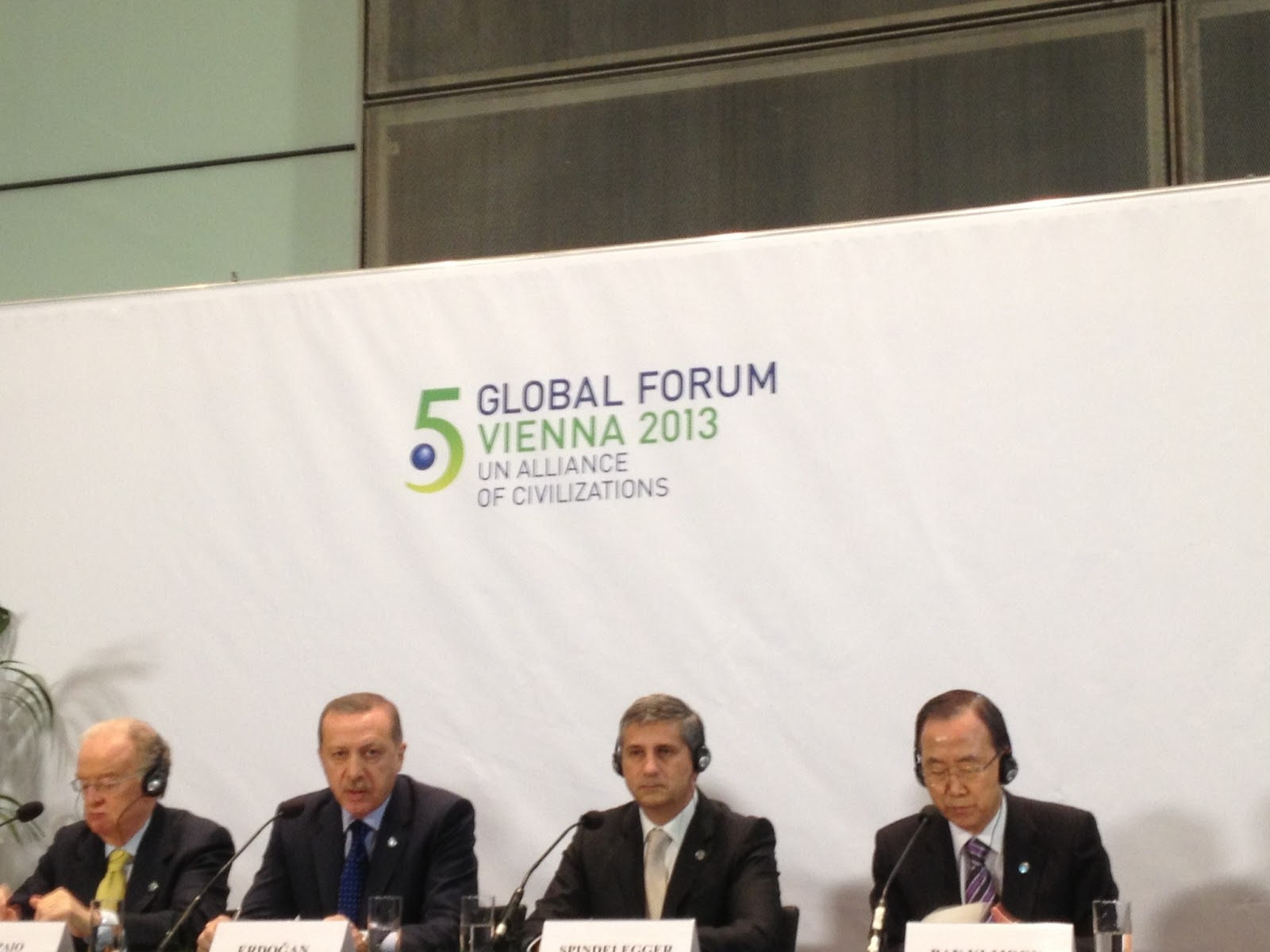
UN Alliance of Civilizations: 5th Global Forum, Vienna 2013

UN Alliance of Civilizations: 5th Global Forum, Vienna 2013

(Left to right: Jorge Sampaio, Recep Tayyip Erdoğan, Michael Spindelegger and Ban Ki-moon)

On February 27-28, 2013 Sylvia Tiryaki participated in the United Nations Alliance of Civilization’s (UNAOC) 5th conference in Vienna, Austria. The forum, which focused on the promotion of responsible leadership in diversity and dialogue, brought together decision-makers and experts from all around the world. Participants included his Highness Sheikh Hamad bin Khalifa Al-Thani, 
José Manuel García-Margallo y Marfil, Recep Tayyip Erdoğan, Michael Spindelegger, Ban Ki-moon, Vuk Jeremic, Jorge Sampaio and Nassir Abdulaziz Al-Nasser, among others. During the two-day conference current global issues such as Syria, Mali, Israel-Palestine, and the future of sustainable development were discussed. At the conclusion of the Conference, a document entitled the Vienna Declaration was compiled out of the Conference’s proceedings.

In 2009 GPoT Center, along with Ecole Normale Supérieure (ENS) organized a conference in Paris entitled “Alliance of Civilizations and Union for Mediterranean Region: Two Compatible or Concurrent Processes?”. For further information click here to access a summary of the proceedings.
Also in 2009, UNAOC held the İstanbul Forum, which can be accessed here.

(Secretary General of the UN: Ban Ki-moon)