
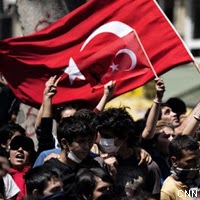
 Bratislava based radio station Slovenský Rozhlas interviewed Dr. Sylvia Tiryaki on June 7, 2013. She commented on the protests which have spread across Turkey during the past week.
Hlavne Spravy | TA3
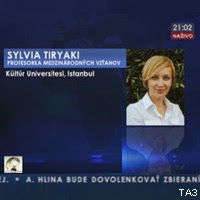
Turčija ni obstala! Civilna družba se je prebudila | Dnevnik | Aleš Gaube
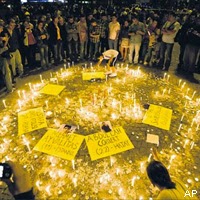
Sylvia Tiryaki on Air in Radio Slovenia

Moskovskiye Novosti
 Sylvia Tiryaki commented on the Gezi Park events in Moskovskiye Novosti.
To read the article on here.
Sylvia Tiryaki: Vzpoura Turků proti absolutismu | Hospodářské noviny
 Turecký premiér Recep Tayip Erdogan je nepochybně charismatická osobnost. Bohužel, většina demokraticky zvolených charismatických lídrů má tendenci se domnívat, že podpora mas, které vděčí za svou pozici, je ničím nepodmíněná a věčná.
Tito političtí vůdci též většinou – pro případ, že by ona podpora nebyla až tak úplně nepodmíněná – po počáteční konsolidaci své pozice zavedou určitou dávku autokracie do systému vládnutí. Někteří z nich jako turecký premiér věří, že většina hlasů, kterou získali v demokratických volbách, jim dává plné právo neomezeně rozhodovat a určovat, co je dobré pro všechny občany. Jinak řečeno, na další rozhodování po volbách nepotřebují dostatečný společenský konsenzus. Diskuse se jim zdá zbytečná.
Originál článku je prístupný v plnom znení na stránke Hospodářských novin.
Turecký premiér ztratil charisma, soudí politoložka | Lidovky
 Ovlivnily nepokoje každodenní život obyvatel Istanbulu?
Určitě. Zátarasy, které postavili demonstrující i policisté, stále blokují přístup do některých částí Istanbulu. Doprava je zpomalená. Situace se sice uklidňuje, demonstrace ovšem pokračují…
Brání policie demonstrantům, aby se dostali na místa protestů?
Nyní už ne. Nicméně, tato vlna nepokojů měla několik fází: začala jako pokojný protest, poté policisté dosti brutálně zasáhli. Pak se zase stáhli…
Nechci, aby se zdálo, že protesty zlehčuji, ale až tak špatná situace v Istanbulu není. V televizi demonstrace vypadají šíleně, o kus dále ovšem žije ulice běžným životem. Na druhou stranu, nejde o legraci, umírali lidé.
Originál interview je prístupný v plnom znení na stránke Lidoviek.
Turkey’s UNSC Bid for Next Term Looks Promising | Gözde Nur Donat
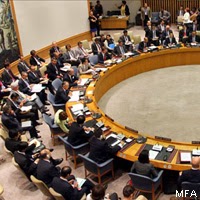 In October 2008, for the first time since 1961 and with a historic vote from 151 members, Turkey was elected as a non-permanent member of the Security Council. Turkey held this seat in 2009 and 2010.
Dr. Sylvia Tiryaki, an expert in international law and the deputy director of the Global Political Trends Center, said it would be a bit unusual for Turkey to be elected for a second time in such short time period.
“What is playing as a facilitator in Turkey’s bid is the situation in the region and the important role Turkey is playing vis-à-vis Syria and vis-à-vis Arab Spring developments,” Tiryaki, however, stated. Turkey’s close relations with Third World countries, especially its promising friendship with the African continent, could also work in Turkey’s favor.
“To announce its candidacy is also a part of the package,” Tiryaki said. “Whatever the result will be, Turkey showed that it is taking its role seriously, being ready to take responsibility related to international issues,” she noted”.
To read the whole article click here.
Military Expenditure Taking Toll on Fragile Greek Cypriot Economy | Aydin Albayrak
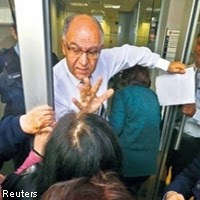 This article, featured in Today’s Zaman on 31 March 2013, discusses the impact that high military spending has had on the Greek Cypriot economy.
“Among EU member states, Greek Cyprus ranks third in terms of its ratio of military expenditure to GDP, coming after Greece and the UK. Drawing attention to this fact, Sylvia Tiryaki, deputy director of the Global Political Trends Center at Kültür University in İstanbul, has told Sunday’s Zaman that military expenditure may be at least partially responsible for the economic situation in Greek Cyprus”.
To read the whole article click here.
Dr. Tiryaki’s Interview in Hürriyet Daily News about the Financial Crisis in Cyprus
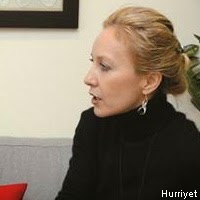 Greek Cyprus, which used to get whatever support it wanted from Europe, now feels cheated by the European Union, according to a prominent expert. ‘There is now such strong anti-EU sentiment among Greek Cypriots that it is bringing them closer to Turkey. They think there could be the same EU skepticism in Turkey,’ says Dr. Sylvia Tiryaki.
—
The interview by Barçın Yinanç of Hürriyet Daily News (HDN) with GPoT Center’s Deputy Director Dr. Tiryaki about the financial and banking crisis in Cyprus is available on HDN’s website here.